Other Services & Modalities
Tui Na
Tui Na is a form of Asian bodywork and one of the foundational therapies within Traditional Chinese Medicine, practiced alongside acupuncture. It is commonly used to address musculoskeletal pain and injuries, yet it is also applied to support a wide range of internal conditions such as insomnia, digestive discomfort, headaches and high blood pressure. Through a blend of hand techniques, acupressure and therapeutic stretching, Tui Na works to encourage the smooth movement of Qi (vital energy) and blood by manipulating both tissue and energetic pathways. The name “Tui Na,” meaning “push and grasp,” reflects its intention to open the body’s meridians, release blockages and restore overall balance and health.
Although all forms of Tui Na address musculoskeletal conditions, each style has its own emphasis. Zheng Gu Tui Na focuses on restoring physical and energetic alignment, helping the body return to a more optimal structural balance. Zang Fu Tui Na works more deeply with internal organ systems, offering a more comprehensive approach to internal conditions. Craniosacral Therapy may further support balance by calming the nervous system and harmonizing the body both physically and energetically.
Chinese Trauma Medicine
Chinese Trauma Medicine is a collective term for a range of modalities used to support the healing of acute and chronic (traumatic) injuries. These approaches include Tui Na, Acupuncture, herbal liniments and herbal supplements, all of which may be applied as first‑aid or ongoing care. They are commonly used for injuries such as sprains, strains, bruises, tendinitis, bursitis and to support bone healing.
Moxibustion
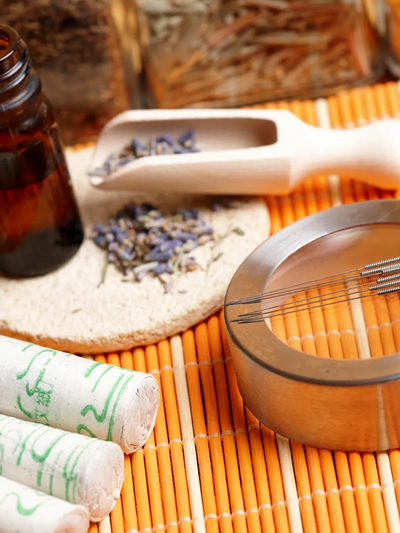
Moxibustion is a traditional Chinese medicine technique that uses the gentle heat of burning mugwort/moxa or its smokeless alternative to warm specific acupuncture points and channels. Practitioners use it to stimulate circulation, dispel cold and support the smooth flow of Qi throughout the body. The warmth can feel deeply soothing and restoring, and it’s often used for conditions such as chronic pain, digestive weakness, menstrual discomfort and fatigue. In most treatments, moxibustion is paired with Acupuncture or Tui Na Bodywork to enhance therapeutic effect.
Cupping
Cupping is a therapeutic technique that uses glass, silicone or bamboo cups to create gentle suction on the skin. This suction encourages the movement of Qi and blood, helping to release muscular tension, draw out stagnation and support the body’s natural healing processes. It’s commonly used for muscle tightness, back and shoulder pain, respiratory conditions, and overall detoxification. Many people experience cupping as deeply relieving, with the temporary marks reflecting areas where circulation has been successfully stimulated.
Gua Sha
Gua Sha is a traditional East Asian healing technique that involves gently scraping the skin with a smooth-edged tool to promote circulation and release tension. The method encourages the movement of Qi and blood in areas of stagnation, helping to ease muscle tightness, reduce inflammation and support the body’s natural healing processes. It’s commonly used for neck and shoulder tension, headaches, chronic pain, and respiratory conditions, and many people find the treatment both relieving and deeply grounding.
Qi Gong
Qi Gong Therapy is a healing practice within Chinese Medicine that uses gentle movement, focused breathing and guided intention to regulate the flow of Qi throughout the body. In a therapeutic setting, the practitioner may lead the client through specific exercises or use hands‑on energetic techniques to facilitate the healing process and restore balance. It is often practiced for general health maintenance and overall vitality, while offering a quiet, meditative approach to cultivating internal harmony.